Things to Do in Estonia
Medieval spires pierce birch forests. Silence your nerves forgot exists.
Top Things to Do in Estonia
Find activities and tours you'll actually want to do. Book through our partners -- no booking fees.


Plan Your Trip
Essential guides for timing and budgeting
Climate Guide
Best times to visit based on weather and events
View guide →Day Trips
The best excursions and nearby destinations worth the journey
Explore day trips →Where to Stay
Best neighbourhoods, hotel picks, and booking tips
Find hotels →Travel Insurance
What's required, what coverage matters, and how to get a quote
Read guide →What to Pack
Climate-specific gear, essentials, and what to leave at home
See packing list →When Should You Visit Estonia?
Tap a month for weather, crowds, and highlights
View full year-round climate guide →


Your Guide to Estonia
About Estonia
Estonia greets you with absence. Arriving in Tallinn, you notice what's gone: the roar, the crush, the city's needy buzz. The Old Town curls inside thirteenth-century limestone walls that outlasted every empire that built them. Walk Pikk Street at dusk when Baltic drizzle slicks the cobbles and your footsteps echo off merchant houses older than the Renaissance.
Half of visitors extend their stay. Slip through Viru Gate and reach Kalamaja in fifteen minutes, a fishermen's quarter turned natural wine bars and sourdough drifting from dawn bakeries. Tallinn is compact enough to cross on foot in an hour. Yet Estonia beyond the capital is different. Lahemaa National Park starts thirty minutes east.
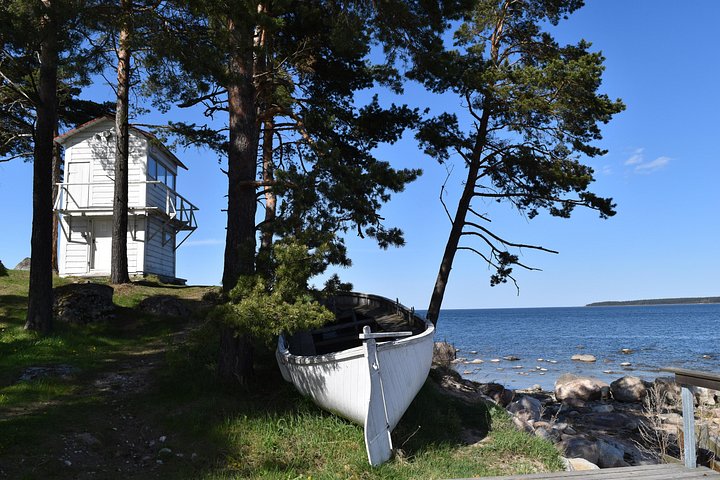
Coastal trails tunnel through pine so dense the light turns green and roe deer freeze mid-path. The islands, Saaremaa and Hiiumaa, feel forgotten: juniper wind, stone fences to cliff edges, silence thick enough to hear your pulse. Winters are long, dark, cold. November through February gives six hours of grey daylight and temperatures that make your face ache. Estonia rewards travelers who skip constant stimulation. It trusts you to find the point.
Travel Tips
Transportation: Tallinn's tram and bus network covers the city and rides are remarkably affordable by European standards. Download the app for mobile tickets instead of fumbling with cash at kiosks. The real discovery is walkability: Old Town to Kalamaja is ten minutes, Kadriorg Park fifteen. For islands and national parks, rent a car because rural buses can strand you for hours. The Tallinn-Tartu train runs regularly and takes under two hours through birch forest so uniform it feels procedurally generated. One pitfall: taxis from the port terminal sometimes inflate fares for cruise passengers. Use app-based services instead.
Money: Estonia uses the euro and card payment is accepted essentially everywhere, including market stalls and tiny village cafes. Cash is almost vestigial in the country that invented e-residency. ATMs are plentiful. Machines inside shopping centers have better exchange rates than standalone ones near Old Town tourist clusters. Tipping isn't culturally expected like in North America. Rounding up or leaving ten percent where service impressed you is generous. Shop at Selver or Rimi to keep food costs below restaurant prices; Estonian supermarkets stock surprisingly good prepared foods.
Cultural Respect: Estonians speak with directness that can feel cold if you expect performative warmth. It's efficiency, not rudeness. Small talk with strangers is uncommon, personal space is generous, silence in conversation is comfortable. Respect this and people open up once trust is earned, usually over a sauna or a second drink. Saunas are sacred, not spa extras. Follow the host's lead, sit on your own towel, accept that nudity is standard in private saunas. Attempting Russian as default in Tallinn can sting given history; English works everywhere.
Food Safety: Estonia's food hygiene matches Scandinavian levels, so stomach trouble from restaurants or street food is unlikely. The adventure is eating what Estonians eat. Black bread is the national staple: dense, sour, nothing like soft supermarket loaves. Smoked fish from Kalaturg fish market near the harbor tastes of salt and alder wood. Kama, a fermented grain-flour drink mixed with kefir, has a malty, slightly sour tang that hooks you by the third sip. In autumn, foraging culture explodes: wild mushrooms and berries appear on every menu. Tap water is clean nationwide. Skip the plastic bottle.
When to Visit
Estonia's seasons don't whisper; they shout. Pick your month or pay for it. June to August: 18, 25 °C, light past 22:00, islands open, trails bare. Tallinn swells. Prices double. Cruise ships dock daily in July; Old Town clogs. September wins. 12, 16 °C, birches burn gold, hotels drop, parks empty. Lahemaa and Soomaa glow.
October cools, days shrink, mushrooms rise; Estonians forage like hunters. Winter, November, February, is raw. Minus 10 °C routine, six grey hours, Baltic wind bites skin. Worth it. Tallinn's Christmas Market in Raekoja Plats ranks among Europe's finest. Snow drapes the Old Town. Saunas make sense at minus fifteen. Rates bottom out.
Museums feel private. Spring drags. Mid-April before green shows; March is slush and spite. May explodes. Birds return, terraces open, birch sap steams in forest buckets. Budget? October, April, skip Christmas weeks. Families: June or August, Parnu's beaches hit swimmable. Photographers: September, color plus silence plus 12, 16 °C comfort.
More Ways to Experience Estonia
Tours, day trips, and local experiences curated by on-the-ground operators.
Didn't see anything interesting yet?
Browse Viator's full catalog of tours, day trips, food experiences, and private guides in Estonia.
See All Estonia Tours on Viator